AI, TECHNOLOGY & CULTUREИИ, ТЕХНОЛОГИИ И КУЛЬТУРА
The Impacts of Artificial Intelligence on the Field of Communication: An Analysis of Sector Representatives in Türkiye
Kocaeli University (Kocaeli, Türkiye).
Email: sevgikavutt[at]gmail.com
 0000-0002-0253-3906
Abstract
Artificial intelligence and communication constitute two closely interconnected fields. As the scope of artificial intelligence systems continues to expand, the relationship between AI and communication has evolved substantially. This study aims to analyze the applications of artificial intelligence in communication and their implications for the discipline in both academic and professional contexts. Specifically, the article examines the role of AI technologies and their effects on the communication sector. It also incorporates the perspectives of communication professionals in Türkiye. The study examines how the expanding scope, influence, and significance of artificial intelligence contribute to the development of both the practical and theoretical dimensions of communication. The findings indicate that artificial intelligence technologies are reshaping the communication sector, communication education, and related professional practices. These findings provide insight into how communication agencies, organizations, and professionals may shape and direct their practices in response to advances in artificial intelligence.
Keywords
Воздействие искусственного интеллекта на сферу коммуникации: анализ позиций представителей отрасли в Турции
Университет Коджаэли (Коджаэли, Турция).
Email: sevgikavutt[at]gmail.com
0000-0002-0253-3906Аннотация
Искусственный интеллект и медиакоммуникативные процессы образуют два взаимосвязанных исследовательских поля. По мере расширения области применения систем искусственного интеллекта характер связи между ними и социокультурными практиками существенно меняется. Цель настоящего исследования — проанализировать применение искусственного интеллекта в медийной сфере, а также последствия такого применения для изучения социальной интеракции в академической и отраслевой среде. В статье рассматривается роль технологий искусственного интеллекта в трансформации медийного сектора. Кроме того, анализируются позиции представителей медийной отрасли Турции. В работе уточняются масштабы применения и движущие факторы внедрения искусственного интеллекта, а также его значение для развития прикладных и теоретических направлений медиа- и коммуникативных исследований. Результаты свидетельствуют о том, что технологии искусственного интеллекта трансформируют медийный сектор, в том числе образование в области медиа и публичного взаимодействия, а также смежные профессиональные практики. Полученные данные показывают, как агентства, организации и специалисты медийной сферы будут организовывать профессиональную деятельность с учётом возможностей и ограничений технологий искусственного интеллекта.
Ключевые слова
Introduction
Artificial intelligence and communication are two closely intertwined fields that depend substantially on cutting-edge technology. Both concepts encompass multiple meanings and are relevant to a range of industries affected by technological advances. Communication is fundamental to everyday social functioning. Reciprocal interaction and communication are essential in both professional and personal contexts (Afolabi et al., 2024). As artificial intelligence systems proliferate, the relationship between AI and communication has evolved substantially. The field of artificial intelligence (AI) is advancing rapidly, with profound implications for everyday life. AI is altering how people live, work, and communicate (Essien et al., 2024, p. 2). Artificial intelligence has become an integral part of everyday life. AI technologies are used in numerous applications, including personalized recommendations, virtual assistants, healthcare, online shopping, smart home devices, navigation and transportation, and entertainment (Carrasco Ramírez & Islam, 2024, pp. 15–16). AI is expanding globally, transforming numerous industries and permeating many aspects of personal and professional life (Ling et al., 2025). The development and diffusion of AI technologies are producing substantial changes across multiple sectors (Voicu et al., 2024). Communication is among the sectors significantly affected by these developments.
Artificial intelligence is redefining communication and helping address commercial and informational needs. AI encompasses both technological systems and their integration into everyday activities, including personal and professional communication and environments (Hermann, 2022). In this context, the study aims to analyze the applications of artificial intelligence in communication and their implications for communication science in both academic and professional contexts. The study makes two principal contributions. First, it examines the interaction between artificial intelligence and communication. Second, it evaluates the effects and applications of AI in the communication field by incorporating the views and perspectives of communication professionals.
The remainder of the article is structured as follows. First, it reviews the literature on artificial intelligence and communication. After defining these concepts and discussing the role and effects of AI in communication, the article presents its methodological approach. The study employs qualitative research to examine AI’s effects on communication in both professional and academic contexts through the perspectives of communication professionals in Türkiye. Drawing on the participants’ opinions, concerns, questions, and observations, the results, discussion, and conclusion assess the future of communication as a profession in the context of artificial intelligence.
Artificial Intelligence and Communication
This section primarily examines artificial intelligence as a concept, its applications across communication domains, and human-machine collaboration. It highlights AI’s transformative role in communication and considers how human-machine collaboration may enhance efficiency and innovation across various fields.
AI has become increasingly important in both theory and practice and is expected to revolutionize the world within the next decade (Schaefer et al., 2021). Machine learning, deep learning, natural language processing, and computer vision are among the technologies encompassed by artificial intelligence (Getchell et al., 2022, p. 8). Artificial intelligence is a broad term that includes both attempts to replicate human intelligence through computational systems and the development of technologies that perform activities associated with human intelligence (Guzman & Lewis, 2020, p. 3). Depending on its developmental stage, artificial intelligence is commonly categorized into three forms: narrow artificial intelligence, general artificial intelligence, and super artificial intelligence (Kavut, 2024). Artificial narrow intelligence (ANI), also known as narrow artificial intelligence, is a goal-oriented form of AI designed to perform a single task, such as tracking weather updates (Babu & Banana, 2024). Examples commonly associated with ANI include Google’s DeepMind, Facebook’s facial-recognition software, Apple’s Siri, Amazon’s Alexa, and self-driving vehicles developed by Tesla and Uber (McLean et al., 2023). General artificial intelligence, or artificial general intelligence (AGI), is often described as human-like AI (Fjelland, 2020). Super artificial intelligence (SAI) is described as a next-generation form of AI with cognitive capabilities superior to those of humans (Zohuri & Rahmani, 2020). It is expected to perform tasks more effectively than humans and surpass human intelligence (Mohan & Fenn, 2023). Zhang and Lu (2021) offer another classification, identifying three perspectives within AI research: behaviorism, connectionism, and symbolism. These perspectives constitute major theoretical foundations in the development of the field. In this context, artificial intelligence can be characterized as a communication technology that supports innovative work through machine-learning and deep-learning components. Artificial intelligence programs can perform a wide range of tasks and may outperform humans in specific domains.
Artificial intelligence is a rapidly developing field. AI-based applications are now prevalent across many areas of everyday life, including autonomous vehicles, smart cities, product-recommendation engines, finance, communication, transportation, and education (Habbal et al., 2024). In the digital age, artificial intelligence (AI) has become a driving force behind innovation, creating new opportunities (Praful Bharadiya, 2023). Artificial intelligence technologies and systems are gradually transforming communication and relationships between individuals and organizations through their expanding range of applications (Gholami & Al Abdwani, 2024, p. 29). AI is now widely used in communication, although its use also generates social risks and concerns (Hohenstein et al., 2023). Contemporary digital societies increasingly rely on AI-based technologies (Gil De Zúñiga et al., 2024). Communication professionals and organizations increasingly use AI systems in marketing, public relations, and advertising. For example, Zerfass et al. (2020) argue that AI assistants will revolutionize how companies connect with their customers. AI has created numerous capabilities and opportunities within communication. AI seeks to replicate aspects of human cognition to make decisions and solve problems (Alfeir, 2024). AI also encompasses the emulation of human capabilities such as creativity, autonomous learning, and voice-based interaction (Wienrich & Latoschik, 2021).
Artificial intelligence has ushered in a new era of communication. In the communication and media sectors, AI technologies have created new opportunities and potential risks (Kumar & Singh, 2024). In a variety of communication roles, AI agents—such as robot reporters, recommendation algorithms, and service chatbots—are increasingly performing tasks previously carried out by humans (Huang & Wang, 2023). As communication technology advances, new opportunities for customers and businesses emerge, helping to address some contemporary challenges (de-Lima-Santos & Ceron, 2021, p. 14). The widespread use of artificial intelligence may inadvertently reduce information quality (Jungherr & Schroeder, 2023, p. 169). Public conceptions of artificial intelligence have been shaped partly by its representation in media, particularly in films. Such portrayals range from static computers and mobile robots to mechanical systems and fully conscious machines (Papadimitriou, 2016). Synthetic media, also referred to as AI-generated or generative media, is expected to transform the advertising and marketing industries in the coming years (Arango et al., 2023, p. 487). AI technology uses predictive analytics to understand current and potential customers’ future behavior, inferred personal characteristics (e.g., education level and wealth), momentary vulnerabilities, and personal risk factors (e.g., mental or physical illness) (Mühlhoff, 2023). Across disciplines, AI offers significant advantages while simultaneously raising critical ethical and social concerns, particularly regarding privacy. In certain industries, robots and other AI technologies have already begun to replace human labor (Stone et al., 2022). Accordingly, artificial intelligence must be examined from multiple perspectives that account for both its benefits and its limitations within communication. Human-machine collaboration and effective communication are therefore increasingly important.
Human-AI collaboration, defined here as human involvement in processes substantially shaped by artificial intelligence, will be essential for addressing widespread societal concerns about AI (Akhmedov et al., 2023). AI can offer substantial advantages by automating previously manual procedures and facilitating the development of improved processes that foster productive collaboration between humans and machines (Perifanis & Kitsios, 2023). AI algorithms enable businesses to make well-informed decisions on matters ranging from consumer behavior to market trends. These applications demonstrate how AI’s capacity to identify and address customer needs has transformed corporate engagement with consumers. Virtual assistants, chatbots, and personalized recommendations have become ubiquitous, improving the overall customer experience (Oyekunle & Boohene, 2024). Workplace AI helps businesses develop new goods and services, accelerate decision-making, and improve operational efficiency. Research on how employees and AI may coexist in the workplace remains limited despite extensive discussion of AI’s potential benefits (Zirar et al., 2023). Effective human-machine communication is essential for collaboration in fields such as marketing, advertising, and design, as well as for routine activities including scheduling and organization. It is particularly important in campaign preparation, content development, design, and planning.
Human-machine interaction is an important topic in the study of artificial intelligence and communication. Human-machine communication (HMC) involves the construction of meaning between humans and machines, with technology acting as a communicator rather than merely as a channel of interaction (Guzman, 2018). Human-machine communication (HMC) is embedded in multiple layers of the social environment, particularly at the micro, meso, and macro levels. The micro level encompasses communicators’ social circumstances and immediate contexts; the meso level comprises institutions and organizations; and the macro level includes broader societal structures and systems (Etzrodt et al., 2022, p. 440).
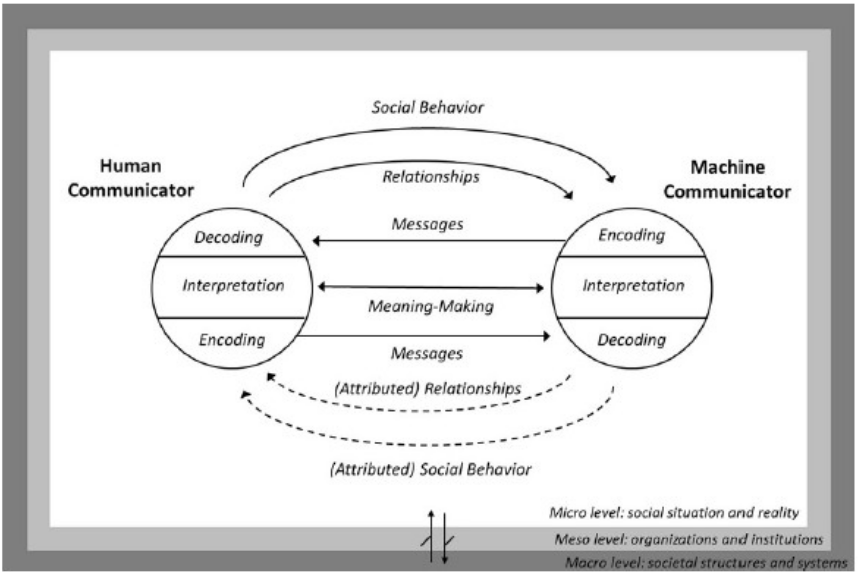
Figure 1. Model of human-machine communication
Figure 1 depicts the HMC model as a process of message exchange between humans and machines situated within micro-, meso-, and macro-level social contexts (Etzrodt et al., 2022, p. 440). Human-machine communication encompasses a range of technologies that facilitate interaction between individuals and machines. These technologies also create environments that mediate interpersonal and intrapersonal communication (Richards et al., 2022, p. 46).
Aim and Method
This study aims to analyze the applications of artificial intelligence in communication and their implications for communication science in both academic and professional contexts. In accordance with this aim, the study addresses the following research questions:
-
Research Question 1: Which AI tools are used by communication-sector representatives?
-
Research Question 2: How do communication-sector representatives understand the relationship between artificial intelligence and communication?
-
Research Question 3: What roles do artificial intelligence and AI tools play in communication, according to communication-sector representatives?
-
Research Question 4: What advice do communication-sector representatives offer students studying communication regarding artificial intelligence?
-
Research Question 5: How do participants assess the prospect of AI-powered robots working alongside humans?
The study employed a qualitative research design based on in-depth interviews. A semi-structured interview guide was developed and administered to 13 professionals working in the communication sector. Qualitative research enables the detailed examination of a subject through extended engagement with a relatively small group of participants. Phenomenology was used as the methodological design. According to Yıldırım and Şimşek (2013, p. 78), phenomenological research examines phenomena encountered in everyday life—including events, experiences, perceptions, orientations, concepts, and circumstances—of which individuals are aware but which they may not fully understand. Using this phenomenological approach, we identified themes including the metal-collared worker, the AI collaborator, and the most commonly used AI tools. Additionally, we explored participants’ reasons for using AI tools in their work and examined AI’s effects on communication. The analysis sought to identify common perspectives, similarities, and differences among participants. The influence of artificial intelligence on communication was examined across multiple dimensions, including social, technological, academic, sectoral, and ethical aspects. The researcher used Excel, MAXQDA, and SPSS to generate tables, code the data, conduct descriptive and frequency analyses, and quantify selected qualitative findings.
The target population comprised Turkish citizens aged 18 years or older. The study sample consisted of adults over the age of 18 who worked in the communication industry. Maximum variation sampling, a form of purposive sampling, was employed. The study sought to include individuals working in communication who differed in age, income, professional experience, and area of practice. This sampling strategy supported the study’s examination of AI applications and their implications for communication in both academic and professional contexts. The sample was therefore selected purposively. The research was conducted with communication-sector representatives who used artificial intelligence. Their names and other identifying information were anonymized to maintain confidentiality. All interviews were transcribed verbatim. Minor grammatical and stylistic corrections were made to the Turkish translations of the quotations included in the article. The Kocaeli University Institute of Social Sciences granted ethics committee approval for the study under approval number E-94094268-020-607010. The interviews were conducted between September 2024 and January 2025.
The semi-structured interview guide included demographic questions followed by open-ended questions about artificial intelligence and its implications for communication. All interviews were conducted using this guide. Each interview was intended to last approximately 30 minutes. The research comprised two stages: a theoretical stage and a fieldwork stage. The literature review was limited to artificial intelligence, the relationship between AI and communication, and the use of AI in communication-related fields. The empirical stage was limited to in-depth interviews with 13 communication-sector representatives. During coding and categorization, particular attention was given to how communication professionals perceived AI systems and applications based on their personal experience of using them. While some communication specialists expressed reservations about AI technology and its potential applications, others did not share these concerns.
Findings
The study employed qualitative interviews as its primary data-collection method. This section examines how communication professionals use artificial intelligence technologies and considers their implications for both academia and the communication sector. The study is based on interviews with communication-sector professionals in Türkiye. Nine of the 13 participants were men, and four were women. Two participants were aged 20–25; one was aged 26–30; three were aged 31–35; three were aged 41–45; two were aged 46–50; one was aged 51–60; and one was older than 61. Ten participants held bachelor's degrees, one held a master's degree, and two held doctoral degrees.
ChatGPT was among the most widely used AI tools among the participants. Their responses varied according to their professional interests and areas of work, illustrating the diverse applications of AI technologies. The majority had experience in the communication or advertising industries. Some had also worked in graphic design, journalism, and corporate communication. One participant described these applications as follows:
I use Elicit as a research assistant, ChatGPT and Google Gemini for my daily job, Adobe Premiere's FireCut plugin for video editing, Gencraft and DALL-E for image creation, and iLovePDF's AI summarization plugin for document summarization. (Participant 6)
The participants were asked why they used AI. According to their responses, artificial intelligence was typically used for tasks such as content editing, research, and image and video production. A journalist and an advertising professional described their uses of AI as follows:
I use it for Seo, Social Media content, and Google Ads. (Participant 3)
I use artificial intelligence by thinking that I may have forgotten topics other than the ones I have in my mind. (Participant 2)
Participants were also asked to define the relationship between artificial intelligence and communication. Most believed that AI systems, algorithms, and applications positively affect both communication as an academic discipline and the professional sector. These technologies accelerate workflows and support numerous processes, including planning, organizing, content creation, video production, and copywriting. In describing the relationship between AI and communication, some participants emphasized its transformative potential and contributions to professional practice, while also raising ethical and privacy concerns.
The connection between artificial intelligence and communication is deepening and expanding with technological advancement. While AI makes communication processes more effective, efficient, and targeted, it also poses new ethical and privacy challenges. As most companies artificially communicate with their customers, I can describe this relationship as a parallel relationship. (Participant 1)
Participant 1 explained that, as AI systems and technologies proliferate, their relationship with communication continues to evolve and expand.The participant identified ethical issues and digital security as important concerns. It was also emphasized that consumers should use these technologies cautiously to protect themselves from risks such as deepfakes.
Participants were also asked about the importance of artificial intelligence and AI tools in the communication industry and about the technologies most frequently used. They regarded artificial intelligence as an increasingly integral component of communication, with applications ranging from political communication and audience research to smart robots and AI assistants. Examples cited included Kamala Harris’s performance in U.S. elections and Donald Trump’s earlier use of artificial intelligence tools. Participants also emphasized AI’s use in target-audience research and interpersonal communication, both of which they considered central to the field. One participant provided the following account:
Revolutionary changes in the field of communication have been brought about by artificial intelligence (AI) and artificial intelligence tools. From customer service to marketing and content production to social media management, AI makes processes more efficient and effective. Therefore, businesses and organizations are increasingly turning to AI tools to strengthen their communication strategies. Chatbots, such as Zendesk Chat, Drift, and Intercom, are frequently implemented in the sales and customer service sectors. Virtual Assistants: Apple’s Siri, Google’s Assistant, and Amazon’s Alexa. Natural Language Processing Tools: IBM Watson, Google Cloud Natural Language, and OpenAI GPT. Automated Content Generation Tools: Wordsmith, Articoolo, and Writesonic. Sentiment and social media analysis tools: Hootsuite Insights, Brandwatch, and Sprout Social analyze user reactions and emotions on social media. Visual and Video Analysis Tools: Google Cloud Vision, Amazon Rekognition, and Clarifai. Today, many agencies use artificial intelligence, from voiceovers to video montages, and from content to analysis. ChatGPT is one of the most widely used AI tools. (Participant 1).
ChatGPT was identified as the most frequently used application among the communication professionals interviewed. AI tools were grouped into several categories, including chatbots, virtual assistants, natural language processing tools, automated content-generation tools, sentiment and social media analysis tools, and visual and video analysis tools. Mishra and Awasthi (2023, p. 167) argue that ChatGPT has transformative potential in communication. ChatGPT can incorporate information derived from user interactions, producing increasingly tailored and precise responses and recommendations over time. Such capabilities have substantially affected knowledge workers across several fields, including media, business, academia, marketing, and advertising. These observations are consistent with the findings of the present study.
Another important aspect of the relationship between artificial intelligence and communication concerns its effects on communication education and professional practice. Participants expressed differing views on these effects. While some stated that AI had advanced communication education and the sector, others warned that assistants and bots could be misused and should remain subject to human oversight. Participants also emphasized that discussions of artificial intelligence and related topics had become considerably more common at universities in recent years. At the same time, they characterized AI as a potentially risky technology requiring close monitoring. Another issue raised was the perception that Türkiye was falling behind while artificial intelligence and autonomous vehicles were gaining prominence globally. Participants also discussed the rapid transformation of information into misinformation and the resulting risk of an infodemic. They noted that AI facilitates the production of easily consumable content. At the same time, AI may transform communication by overcoming language barriers, personalizing interactions, and reducing misunderstandings. Oranga (2023) identifies numerous potential benefits of artificial intelligence tools such as ChatGPT in education, including personalized learning, continuous availability, accessibility, immediate feedback, access to a broad knowledge base, language learning, study assistance, concept reinforcement, conversational and collaborative learning, reduced anxiety, exposure to diverse perspectives, flexibility, cost-effectiveness, and scalability. Venkatesvaran et al. (2023) emphasize that the transition to online learning has required the incorporation of new scientific concepts and skills into curricula, resulting in the reorganization of conventional lecture structures. Within this context, artificial intelligence is expected to become increasingly integrated into higher education infrastructure in the coming years.
Another topic examined in the study was the future of the communication industry in light of advances in artificial intelligence. Communication-sector professionals argued that, although highly skilled and innovative journalists, managers, and content creators would remain in demand, the overall number of people employed in the sector might decline. They also suggested that the ability to formulate effective prompts and instructions would become increasingly important for future generations. One participant stated:
The communications sector will undergo radical changes as artificial intelligence advances. The industry's future will be shaped by more individualized communication, automation, and higher productivity, sophisticated data analytics, innovative solutions, privacy and ethical concerns, and new business models. Brands and communication professionals will need to embrace AI technologies and adjust to these advancements. (Participant 5)
Communication-sector representatives also offered their perspectives on incorporating AI-related courses into communication curricula, including courses on artificial intelligence and communication, AI in advertising, AI in marketing, AI in design, and data literacy. All participants agreed that AI‑related courses should be added to university curricula. They emphasized that such courses would support students’ professional development, strengthen their ability to use contemporary technologies, and help prepare globally competitive and innovative communication professionals. One participant explained this perspective in detail:
The addition of AI-based courses to communication education provides students with a broad perspective and advanced skills, training them as future communication professionals. By providing both theoretical knowledge and practical application opportunities, these courses help students to quickly adapt to innovations and developments in the sector. Thus, graduates have the knowledge and skills to make the most of the opportunities offered by artificial intelligence technologies (Participant 8)
The prospect of working alongside an artificial intelligence robot was another issue discussed during the interviews. Participants expressed differing opinions. Some communication professionals found the prospect unsettling, while others regarded it as a likely feature of the industry’s future. Some participants considered an AI robot colleague both convenient and potentially risky. Their perspectives included the following:
Sincerely, I really enjoy it, but in order to prevent issues with the system's operation, the job descriptions ought to be well specified. I believe that most people on the planet will oppose this concept. Because, despite the practical algorithms it has developed, the structure of the human ego is extremely delicate. Conflicts will likely continue for at least another decade, in my opinion. It took 20 years for humanity to move from horse-drawn carriages to motorized cars. After twenty years, a whole industry fell apart, and a new industry arose. According to what I've read, Elon Musk wants one out of three individuals to own an Optimus by 2035. Considering how much Amazon and other corporations rely on this concept, I hope that this time it's not the "human labour force" that fails. (Participant 6)
It is a circumstance that will be regarded as quite common in the future, but I believe that actual people, not AI tools, should run a business or organization, and that AI should help us with our transactions. (Participant 12)
As long as it can be added next to real people, it is a very good idea because when we consider the time it takes for real people to finalize research, artificial intelligence robots seem to be a good solution for speeding up the work. The adoption of artificial intelligence robots as colleagues can revolutionize the business world. While these changes offer many advantages, such as efficiency, productivity, and speed, they must be carefully managed in terms of ethics, privacy, and human relations. In the future, creating a balanced and collaborative working environment between artificial intelligence robots and human employees will increase the success of businesses. (Participant 10)
These responses are consistent with research on human-AI collaboration. When humans and automated or AI-based systems work together, human capabilities such as creative problem-solving can be combined with the advantages of automation, including accuracy, precision, speed, flexibility, and adaptability (Sadeghian & Hassenzahl, 2022, p. 28). Participants highlighted both the potential contributions of AI robots to professional practice and the need to manage their benefits and risks carefully.
Taken together, the participants’ responses reveal several shared perspectives across the topics examined. The findings showed that ChatGPT was the most widely used AI tool. According to Roumeliotis and Tselikas (2023), ChatGPT is an advanced language model that has transformed natural language processing by generating coherent, context-sensitive, and human-like text and creating new opportunities for human-AI communication.
Participants generally supported the inclusion of artificial intelligence in communication curricula. Luttrell et al. (2020, pp. 471–472) state that incorporating AI into university environments can help students understand its fundamental mechanisms. AI may also help students understand how theory and practice have evolved in response to new communication technologies. Similarly, Mateus et al. (2024) found that the use of generative AI in higher education and classroom settings produces diverse and evolving experiences that reveal both advantages and disadvantages. The present findings are therefore consistent with the existing literature.
| Table 1. The distributions of the most used AI tools and AI tools usage aims according to age and education level dimensions | ||||
| Age | Education Level | The Most Used AI Tools |
AI Tools Usage Aims | Common Views |
|---|---|---|---|---|
| 41-45 | Bachelor’s Degree | ChatGPT, Midjourney, Firefly, Udio | Research and idea generation, visual studies, music |
* In Türkiye, the most prevalent artificial intelligence tools are ChatGPT and Gemini. * Artificial intelligence is utilized by people of all ages in Türkiye. * However, it has been noted that the choice of AI tools may differ based on the specific communication subfields, such as journalism, advertising, public relations, and visual communication. * These fields prioritize the use of AI for research, design, visual creation (such as video and photography), and planning purposes. |
| 61 and over | Bachelor’s Degree | ChatGPT, AiLango | Consulting beyond what's on your mind | |
| 41-45 | Bachelor’s Degree | ChatGPT, Gemini, Dall-E | SEO, social media contents, Google advertising | |
| 31-35 | PhD | ChatGPT, Midjourney, Quilbot | Education, research, design and planning | |
| 20-25 | Bachelor’s Degree | ChatGPT | Detailed search and accessing unreachable information | |
| 31-35 | PhD | Gencraft, Dall-E, BasedLabs, Fotor, Firecut, ChatGPT, Gemini, Elicit | Daily routine works, visual and video studies, video editing, academic writing | |
| 26-30 | Bachelor’s Degree | ChatGPT, Siri, Microsoft | Research, translating, photograph, video creation | |
| 41-45 | Bachelor’s Degree | ChatGPT, Grok | Text editing, proofreading, news writing, assistant work | |
| 20-25 | Bachelor’s Degree | ChatGPT, OpenAI, Midjourney | Designing, creative idea and research | |
| 46-50 | Master’s Degree | ChatGPT, Midjourney, Jasper | Content creation, converting conversations into text, design, media, and sentiment analysis | |
| 31-35 | Bachelor’s Degree | ChatGPT, Siri, Gemini | Making life easier, saving time, using less energy | |
| 46-50 | Bachelor’s Degree | ChatGPT, Midjourney, Siri, Brandwatch | Social media and sentiment analysis, customer demand tracking, planning, research | |
| 51-60 | Bachelor’s Degree | ChatGPT, Google Cloud Vision, Clarifai, Siri | Visual design, graphic design, logo, poster design, research | |
Working alongside artificial intelligence robots was generally expected to become common in the near future. Although participants expressed differing views about AI robot colleagues, the majority adopted a positive position. However, they also raised concerns about job losses, ethics, and confidentiality. These findings are consistent with the literature. For example, Fitria (2023) states that artificial intelligence can enable software, computer systems, and robots to behave and “think” in human-like ways. Fitria also notes that, despite its benefits, AI may have negative consequences, particularly for human labor. The use of artificial intelligence in communication was perceived as a source of rapid development and potentially transformative change. Kavut (2022) argues that artificial intelligence extracts information incrementally from unstructured data, enabling marketers to measure customers’ emotional states through techniques such as facial coding, personality analysis, and emotion analysis. Bankins et al. (2024) identify several potential advantages of AI technologies. Employees may experience improved job design through AI use, including greater autonomy, increased job complexity, and reduced role demands.
The table presents the AI tools most frequently used by participants, categorized by age and educational attainment, together with their reasons for using them. The findings indicate that patterns of AI use varied among participants. ChatGPT, Gemini, and Midjourney were the most popular tools and were used for a range of purposes. The study also showed that AI tools supported various tasks, including idea generation, planning, visual design, research, and content creation.
Table 2 presents the effects of artificial intelligence on communication. These effects are multidimensional and encompass social, technological, academic, sectoral, and ethical dimensions. Participants expressed concern about the ethical risks associated with AI tools and applications, including threats to digital security and privacy and the proliferation of deepfakes. Participants expressed differing views regarding AI’s social effects. They highlighted the benefits of AI tools for everyday tasks but also raised concerns that their use could encourage overreliance, skill deterioration, passivity, shortcut-seeking behavior, and reduced productivity.
| Table 2. The views on the impacts of artificial intelligence on communication | ||
| Impacts | Positive | Negative |
|---|---|---|
| Social |
AI benefits people in practical terms. Artificial Intelligence (AI) has revolutionized communication by removing language barriers, personalizing interactions, increasing accessibility, and reducing misunderstandings. |
AI, or artificial intelligence, can be defined as a system that both enables and reduces. In other words, while it simplifies life in some ways, it can also have a negative impact on human skills. |
| Technological | The relationship between artificial intelligence and communication is deepening and expanding with the development of technology. | |
| Academic | Through AI, individuals have access to a vast amount of information at any given time and from any location. | |
| Sectoral |
Since most companies communicate with their customers artificially, this relationship can be defined as a parallel relationship. Numerous AI technologies and applications have benefited the communications industry. Artificial intelligence helps the development of the communications area and enables speedier execution of corporate activities. Artificial intelligence is a technology that makes it possible for humans to produce more creative designs and drawings, display visual content more successfully, and come up with more original ideas faster. |
|
| Ethical | While AI makes communication processes more effective, efficient, and targeted, it also brings new ethical and privacy challenges. | |
| Table 3. The common views of industry representatives on communication faculty education | |
| Categories | Common Views |
|---|---|
| AI-based lectures | AI-based courses provide students with a more visionary perspective. These courses require theory and practice to be carried out together with industry professionals and stakeholders. |
| Personal and professional development | It is crucial for communication faculty students to develop themselves both professionally and intellectually, master professional jargon, and understand and work with the data sets used by artificial intelligence models. |
| Openness to development | They should be open to developments, especially in the digital world. They should remember that the moment they stop learning, they will fall behind in the race. |
| Awareness | Don't become slaves to artificial intelligence without first learning to achieve reality manually. |
| Knowledge of using artificial intelligence tools | They must learn to use one or more artificial intelligence tools and applications. However, each of these should remain in a position to assist humans. |
| Computer and software knowledge | They should be proficient in communication technologies and social media. They should learn artificial intelligence applications, computers, and software programs at a high level while they are still students. |
| Ability to keep up with the times | They should be careful to use and adjust to new advancements so they don't fall behind in the digitization process. They will be able to stay current and apply advances to their line of work in this way. |
| Table 4. The distribution of ideas on the metal-collar(AI) teammate | |||||
| Age | Gender | Education Level | Codes About AI Teammate | Similarities | Differences |
|---|---|---|---|---|---|
| 41-45 | Male | Bachelor’s Degree | Good idea, good solution | – Convenience, – speed, – good idea, – normal, – normal of future, – friendship without envy, – Clarity |
– Danger, – disagreement, – good solution, – conflict, – saving on time, – labor-saving, – job definitions |
| 61 and over | Male | Bachelor’s Degree | Readiness, convenience, speed | ||
| 41-45 | Male | Bachelor’s Degree | Annoying | ||
| 31-35 | Female | PhD | Normal, convenience | ||
| 20-25 | Female | Bachelor’s Degree | Convenience, danger | ||
| 31-35 | Male | PhD | Clarity, Disagreements, Conflict | ||
| 26-30 | Female | Bachelor’s Degree | Normal, normal of future | ||
| 41-45 | Male | Bachelor’s Degree | Friendship without jealousy or envy | ||
| 20-25 | Male | Bachelor’s Degree | Convenience, speed, rules | ||
| 46-50 | Male | Master’s Degree | Saving on time, labor-saving, intelligent friend, convenience, decreasing need for human labor | ||
| 31-35 | Female | Bachelor’s Degree | Normal, Equipment, convenience, clarity | ||
| 46-50 | Male | Bachelor’s Degree | Management, rules, convenience, job definitions | ||
| 51-60 | Male | Bachelor’s Degree | Normal of future, limitation, rules. | ||
In summary, these findings indicate that the prospect of artificial intelligence robots serving as colleagues is likely to become increasingly relevant in communication-sector workplaces. Despite concerns about workforce displacement, ethical dilemmas, security risks, and declining demand for human labor, the prevailing attitude among communication professionals was favorable. Participants argued that artificial intelligence technologies could transform the business environment by improving efficiency, productivity, and speed. However, they also maintained that human labor would remain necessary and that the use of AI tools should be subject to appropriate oversight and regulation.
Conclusions
This article explores the relationship between artificial intelligence and communication, including the role of AI technologies and their effects on the communication sector. It also incorporates the perspectives of communication professionals in Türkiye. Understanding the relationship between artificial intelligence and communication, as well as AI’s effects on the field, requires more than awareness of existing AI tools and applications. It also requires continued engagement with recent technological developments.
Artificial intelligence and communication are two interdisciplinary fields that involve technologies such as machine learning and natural language processing, as well as applications such as deepfakes, for purposes including content production and the creation and editing of films and images. The findings indicate that most communication professionals hold positive attitudes toward the use of AI in the communication sector and toward its integration into communication education.
This study examines the current state and future prospects of the communication sector at multiple levels in light of the proliferation of artificial intelligence technologies. It analyzes the effects of AI from the perspectives of communication professionals. Artificial intelligence offers several benefits for communication, including the acceleration and streamlining of organizational processes, but it also presents disadvantages, such as potential job losses, privacy concerns, security threats, and ethical dilemmas. From a practical perspective, AI should therefore be understood both as a technology that creates opportunities and facilitates everyday and professional activities and as a potential source of labor displacement, privacy breaches, and security vulnerabilities.
Although participants expressed differing views about working alongside an artificial intelligence robot, the majority held a positive attitude toward this prospect. Nevertheless, they also raised concerns about job losses, ethical issues, and confidentiality. Communication-sector representatives argued that artificial intelligence technologies would transform the business environment by increasing efficiency, productivity, and speed; however, they maintained that human labor would remain necessary and that AI tools should be regulated. This conclusion is consistent with findings reported in the literature.
Communication-sector representatives explained that artificial intelligence is transforming the sector by reducing language barriers, personalizing interactions, increasing accessibility, reducing misunderstandings, and providing rapid access to information regardless of time or location. They also described how AI enables them to complete work processes more quickly, develop more innovative designs, content, and campaigns, reduce the time required to generate original ideas, and improve the quality of visual content. These observations highlight AI’s potential to improve productivity and efficiency in communication. The representatives advised communication students, whom they may work alongside in the future, to use artificial intelligence and remain open to new developments in the digital environment while maintaining critical awareness, a clear connection to real-world contexts, and strong digital literacy. They also emphasized the importance of preventing their professional skills from deteriorating through overreliance on AI.
Overall, artificial intelligence coworkers were described both as a potential means of increasing productivity and providing assistance without interpersonal rivalry and as technologies that could create problems if misused or introduced without clearly defined roles. The effects of artificial intelligence are complex and encompass social, technological, academic, sectoral, and ethical dimensions. Regarding the social dimension, industry representatives expressed both positive and negative views about AI’s influence on communication. In this study, as in the HMC model, the relationship between artificial intelligence and communication was examined in terms of messages, relationships, social behaviors, and meanings.
Finally, this study focuses primarily on the role of artificial intelligence in the communication industry. More specifically, it examines the relationship between AI and professional communication practices. Its findings may also help inform the development of students’ critical perspectives and advanced technological skills. The study contributes to understanding the uses, motivations, and significance of AI in communication across both theoretical and practical domains. The results demonstrate how artificial intelligence technologies are transforming communication education, the communication industry, and related fields. They also provide insight into how organizations, communication professionals, and agencies may develop and manage communication practices in response to advances in AI. Future research should examine the relationship between AI and communication from multiple perspectives. Because the present study is situated within communication studies, future research should consider how AI operates within changing social structures, systems, and lifestyles. It should also investigate the relationship between artificial intelligence and communication from the perspectives of other disciplines and professional specializations.
Author’s Statements
Agreement with the Journal's Policies
Author has been notified and agree to the journal's current policies as described on the publication's website.
Originality and Exclusivity of the Manuscript
Author confirms that my manuscript is original, has not been published previously in whole or in part, and is not under consideration for publication elsewhere.
Authorship and Contribution (CRediT)
Research, conceptualization, and manuscript writing – Sevgi Kavut
Policy on Preprints and Previous Versions
Author confirms that there is no preprint/working version.
Conflict of Interest
No Conflicts.
Funding
The study was not supported by any academic financial support institution.
Use of Generative AI and Supporting Tools
AI tools are not listed as author; any contributions (text editing, translation, illustrations, code) are described in the “Methods” section; accuracy, originality, and compliance with rights have been verified.
Permissions for Use (Texts, Images, Maps, Illustrations)
All copyrighted materials are reproduced with the permission of the copyright holder; license terms (including CC) are observed.
Acknowledgments and Contributions without Authorship
There are no Acknowledgments and Contributions without Authorship.
Список литературы
Afolabi, B. E. F., Oladesu, J., Siyanbola, B. A., Adeloye, A. A., & Odewole, O. P. (2024). Communication Design Practises via Professionalism: Spotlight on Artificial Intelligence. Journal of Art, Design and Music, 3(1), 136–149. https://doi.org/10.55554/2785-9649.1035
Akhmedov, A. B., Shamsiya, A. S. K., Abdumuminova, U. S., & Usmonov, F. S. U. (2023). The Impact of Artificial Intelligence on Human Life in the Future. International Multidisciplinary Journal for Research & Development, 10(10).
Alfeir, N. M. (2024). Dimensions of Artificial Intelligence on Family Communication. Frontiers in Artificial Intelligence, 7, 1398960. https://doi.org/10.3389/frai.2024.1398960
Arango, L., Singaraju, S. P., & Niininen, O. (2023). Consumer Responses to AI-Generated Charitable Giving Ads. Journal of Advertising, 52(4), 486–503. https://doi.org/10.1080/00913367.2023.2183285
Babu, M. V. S., & Banana, K. (2024). A study on narrow artificial intelligence—An overview. International Journal of Engineering Science and Advanced Technology, 24(4), 210–219.
Bankins, S., Hu, X., & Yuan, Y. (2024). Artificial Intelligence, Workers, and Future of Work Skills. Current Opinion in Psychology, 58, 101828. https://doi.org/10.1016/j.copsyc.2024.101828
Bharadiya, J. P. (2023). Artificial Intelligence and the Future of Web 3.0: Opportunities and Challenges Ahead. American Journal of Computer Science and Technology, 6(2), 74–79. https://doi.org/10.11648/j.ajcst.20230602.14
de-Lima-Santos, M.-F., & Ceron, W. (2021). Artificial Intelligence in News Media: Current Perceptions and Future Outlook. Journalism and Media, 3(1), 13–26. https://doi.org/10.3390/journalmedia3010002
Essien, E., Odejide, G., Okoronkwo, A., & Afolabi, G. (2024). A Paradigmatic Discourse on the Correlation between Investing in Artificial Intelligence, Effective Communication and National Transformation. SSRN Electronic Journal, 11(1), 1–11. https://doi.org/10.2139/ssrn.4926066
Etzrodt, K., Gentzel, P., Utz, S., & Engesser, S. (2022). Human-machine-communication: Introduction to the special issue. Publizistik, 67(4), 439–448. https://doi.org/10.1007/s11616-022-00754-8
Fitria, T. N. (2023). Artificial Intelligence (AI) Technology in OpenAI ChatGPT Application: A Review of ChatGPT in Writing English Essay. ELT Forum: Journal of English Language Teaching, 12(1), 44–58. https://doi.org/10.15294/elt.v12i1.64069
Fjelland, R. (2020). Why General Artificial Intelligence Will Not Be Realized. Humanities and Social Sciences Communications, 7(1), 10. https://doi.org/10.1057/s41599-020-0494-4
Getchell, K. M., Carradini, S., Cardon, P. W., Fleischmann, C., Ma, H., Aritz, J., & Stapp, J. (2022). Artificial Intelligence in Business Communication: The Changing Landscape of Research and Teaching. Business and Professional Communication Quarterly, 85(1), 7–33. https://doi.org/10.1177/23294906221074311
Gholami, M. J., & Al Abdwani, T. (2024). The Rise of Thinking Machines: A Review of Artificial Intelligence in Contemporary Communication. Journal of Business, Communication & Technology, 3(1), 29–43. https://doi.org/10.56632/bct.2024.3103
Gil De Zúñiga, H., Goyanes, M., & Durotoye, T. (2024). A Scholarly Definition of Artificial Intelligence (AI): Advancing AI as a Conceptual Framework in Communication Research. Political Communication, 41(2), 317–334. https://doi.org/10.1080/10584609.2023.2290497
Guzman, A. L. (2018). What Is Human-Machine Communication, Anyway? In A. L. Guzman (Ed.), Human-Machine Communication: Rethinking Communication, Technology, and Ourselves (pp. 1–28). Peter Lang.
Guzman, A. L., & Lewis, S. C. (2020). Artificial Intelligence and Communication: A Human–Machine Communication Research Agenda. New Media & Society, 22(1), 70–86. https://doi.org/10.1177/1461444819858691
Habbal, A., Ali, M. K., & Abuzaraida, M. A. (2024). Artificial Intelligence Trust, Risk and Security Management (AI TRiSM): Frameworks, applications, challenges and future research directions. Expert Systems with Applications, 240, 122442. https://doi.org/10.1016/j.eswa.2023.122442
Hohenstein, J., Kizilcec, R. F., DiFranzo, D., Aghajari, Z., Mieczkowski, H., Levy, K., Naaman, M., Hancock, J., & Jung, M. F. (2023). Artificial Intelligence in Communication Impacts Language and Social Relationships. Scientific Reports, 13(1), 5487. https://doi.org/10.1038/s41598-023-30938-9
Huang, G., & Wang, S. (2023). Is Artificial Intelligence More Persuasive Than Humans? A Meta-Analysis. Journal of Communication, 73(6), 552–562. https://doi.org/10.1093/joc/jqad024
Jungherr, A., & Schroeder, R. (2023). Artificial Intelligence and the Public Arena. Communication Theory, 33(2–3), 164–173. https://doi.org/10.1093/ct/qtad006
Kavut, S. (2022). Türkiye’de Yapay Zeka Alanında Yazılan Tezlerin İçerik Analizi Yöntemiyle İncelenmesi [An Analysis of Theses Written in the Field of Artificial Intelligence in Turkey Using Content Analysis]. Türkiye İletişim Araştırmaları Dergisi, (41), 80-98. https://doi.org/10.17829/turcom.1051167 (In Turkish).
Kavut, S. (2024). Artificial Intelligence and Communication. Çizgi Publishers. (In Turkish).
Kumar, P., & Singh, B. (2024). Artificial Intelligence for Media: Opportunities or Threats. Journal of Communication and Management, 3(02), 107–109. https://doi.org/10.58966/JCM2024323
Ling, E. C., Tussyadiah, I., Liu, A., & Stienmetz, J. (2025). Perceived Intelligence of Artificially Intelligent Assistants for Travel: Scale Development and Validation. Journal of Travel Research, 64(2), 299‑321. https://doi.org/10.1177/00472875231217899
Luttrell, R., Wallace, A., McCollough, C., & Lee, J. (2020). The Digital Divide: Addressing Artificial Intelligence in Communication Education. Journalism & Mass Communication Educator, 75(4), 470‑482. https://doi.org/10.1177/1077695820925286
Mateus, J.-C., Cappello, G., Lugo, N., & Guerrero-Pico, M. (2024). Communication Educators Facing the Arrival of Generative Artificial Intelligence: Exploration in Mexico, Peru, and Spain. Digital Education Review, (45), 106–114. https://doi.org/10.1344/der.2024.45.106-114
McLean, S., Read, G. J. M., Thompson, J., Baber, C., Stanton, N. A., & Salmon, P. M. (2023). The Risks Associated with Artificial General Intelligence: A Systematic Review. Journal of Experimental & Theoretical Artificial Intelligence, 35(5), 649–663. https://doi.org/10.1080/0952813X.2021.1964003
Mishra, A., & Awasthi, S. (2023). Chat GPT: Revolutionizing Communication or Threatening Authenticity? Management Dynamics, 23(1), 165–168. https://doi.org/10.57198/2583-4932.1321
Mohan, K. R., & Mathew Fenn, S. (2023). Artificial Intelligence and Its Theranostic Applications in Dentistry. Cureus, 15(5), e38711. https://doi.org/10.7759/cureus.38711
Mühlhoff, R. (2023). Predictive Privacy: Collective Data Protection in the Context of Artificial Intelligence and Big Data. Big Data & Society, 10(1), 20539517231166886. https://doi.org/10.1177/20539517231166886
Oranga, J. (2023). Benefits of Artificial Intelligence (ChatGPT) in Education and Learning: Is Chat GPT Helpful? International Review of Practical Innovation, Technology and Green Energy (IRPITAGE), 3(3), 46–50.
Oyekunle, D., & Boohene, D. (2024). Digital Transformation Potential: The Role of Artificial Intelligence in Business. International Journal of Professional Business Review: Int. J. Prof.Bus. Rev., 9(3), 1. https://doi.org/10.26668/businessreview/2024.v9i3.4499
Papadimitriou, A. (2016). The Future of Communication: Artificial Intelligence and Social Networks [Master Thesis]. Malmö University.
Perifanis, N.-A., & Kitsios, F. (2023). Investigating the Influence of Artificial Intelligence on Business Value in the Digital Era of Strategy: A Literature Review. Information, 14(2), 85. https://doi.org/10.3390/info14020085
Ramírez, J. G. C., & Islam, Md. mafiqul. (2024). Application of Artificial Intelligence in Practical Scenarios. Journal of Artificial Intelligence General Science (JAIGS) ISSN:3006-4023, 2(1), 14–19. https://doi.org/10.60087/jaigs.v2i1.41
Richards, R., Spence, P., & Edwards, C. (2022). Human-Machine Communication Scholarship Trends: An Examination of Research From 2011 to 2021 in Communication Journals. Human-Machine Communication, 4, 45–65. https://doi.org/10.30658/hmc.4.3
Roumeliotis, K. I., & Tselikas, N. D. (2023). ChatGPT and Open-AI Models: A Preliminary Review. Future Internet, 15(6), 192. https://doi.org/10.3390/fi15060192
Sadeghian, S., & Hassenzahl, M. (2022). The ”Artificial” Colleague: Evaluation of Work Satisfaction in Collaboration with Non-human Coworkers. 27th International Conference on Intelligent User Interfaces, 27–35. https://doi.org/10.1145/3490099.3511128
Schaefer, C., Lemmer, K., Samy Kret, K., Ylinen, M., Mikalef, P., & Niehaves, B. (2021). Truth or Dare? – How can we Influence the Adoption of Artificial Intelligence in Municipalities? Hawaii International Conference on System Sciences. https://doi.org/10.24251/HICSS.2021.286
Stone, P., Brooks, R., Brynjolfsson, E., Calo, R., Etzioni, O., Hager, G., Hirschberg, J., Kalyanakrishnan, S., Kamar, E., Kraus, S., Leyton-Brown, K., Parkes, D., Press, W., Saxenian, A., Shah, J., Tambe, M., & Teller, A. (2022). Artificial Intelligence and Life in 2030: The One Hundred Year Study on Artificial Intelligence (Version 1). arXiv. https://doi.org/10.48550/ARXIV.2211.06318
Venkateswaran, P. S., Ayasrah, F. T. M., Nomula, V. K., Paramasivan, P., Anand, P., & Bogeshwaran, K. (2023). Applications of Artificial Intelligence Tools in Higher Education. In S. Singh, S. S. Rajest, S. Hadoussa, A. J. Obaid, & R. Regin (Eds.), Advances in Business Information Systems and Analytics (pp. 124–136). IGI Global. https://doi.org/10.4018/979-8-3693-2193-5.ch008
Voicu, R. C., Pande, A. K., Tanveer, M. H., & Chang, Y. (2024). Communication Interchange for Artificial Intelligence Systems. 2024 International Conference on Computing, Networking and Communications (ICNC), 175–181. https://doi.org/10.1109/ICNC59896.2024.10555983
Wienrich, C., & Latoschik, M. E. (2021). eXtended Artificial Intelligence: New Prospects of Human-AI Interaction Research. Frontiers in Virtual Reality, 2, 686783. https://doi.org/10.3389/frvir.2021.686783
Yıldırım, A., & Şimşek, H. (2013). Qualitative Research Methods in Social Sciences (9th ed.). Seçkin Publishing. (In Turkish).
Zerfass, A., Hagelstein, J., & Tench, R. (2020). Artificial Intelligence in Communication Management: A Cross-National Study on Adoption and Knowledge, Impact, Challenges and Risks. Journal of Communication Management, 24(4), 377–389. https://doi.org/10.1108/JCOM-10-2019-0137
Zhang, C., & Lu, Y. (2021). Study on Artificial Intelligence: The State of the Art and Future Prospects. Journal of Industrial Information Integration, 23, 100224. https://doi.org/10.1016/j.jii.2021.100224
Zirar, A., Ali, S. I., & Islam, N. (2023). Worker and Workplace Artificial Intelligence (AI) Coexistence: Emerging Themes and Research Agenda. Technovation, 124, 102747. https://doi.org/10.1016/j.technovation.2023.102747
Zohuri, B., & Mossavar Rahmani, F. (2020). Artificial Intelligence Versus Human Intelligence: A New Technological Race. Acta Scientific Pharmaceutical Sciences, 4(5), 50–58. https://doi.org/10.31080/ASPS.2020.04.0530
References
Afolabi, B. E. F., Oladesu, J., Siyanbola, B. A., Adeloye, A. A., & Odewole, O. P. (2024). Communication Design Practises via Professionalism: Spotlight on Artificial Intelligence. Journal of Art, Design and Music, 3(1), 136–149. https://doi.org/10.55554/2785-9649.1035
Akhmedov, A. B., Shamsiya, A. S. K., Abdumuminova, U. S., & Usmonov, F. S. U. (2023). The Impact of Artificial Intelligence on Human Life in the Future. International Multidisciplinary Journal for Research & Development, 10(10).
Alfeir, N. M. (2024). Dimensions of Artificial Intelligence on Family Communication. Frontiers in Artificial Intelligence, 7, 1398960. https://doi.org/10.3389/frai.2024.1398960
Arango, L., Singaraju, S. P., & Niininen, O. (2023). Consumer Responses to AI-Generated Charitable Giving Ads. Journal of Advertising, 52(4), 486–503. https://doi.org/10.1080/00913367.2023.2183285
Babu, M. V. S., & Banana, K. (2024). A study on narrow artificial intelligence—An overview. International Journal of Engineering Science and Advanced Technology, 24(4), 210–219.
Bankins, S., Hu, X., & Yuan, Y. (2024). Artificial Intelligence, Workers, and Future of Work Skills. Current Opinion in Psychology, 58, 101828. https://doi.org/10.1016/j.copsyc.2024.101828
Bharadiya, J. P. (2023). Artificial Intelligence and the Future of Web 3.0: Opportunities and Challenges Ahead. American Journal of Computer Science and Technology, 6(2), 74–79. https://doi.org/10.11648/j.ajcst.20230602.14
de-Lima-Santos, M.-F., & Ceron, W. (2021). Artificial Intelligence in News Media: Current Perceptions and Future Outlook. Journalism and Media, 3(1), 13–26. https://doi.org/10.3390/journalmedia3010002
Essien, E., Odejide, G., Okoronkwo, A., & Afolabi, G. (2024). A Paradigmatic Discourse on the Correlation between Investing in Artificial Intelligence, Effective Communication and National Transformation. SSRN Electronic Journal, 11(1), 1–11. https://doi.org/10.2139/ssrn.4926066
Etzrodt, K., Gentzel, P., Utz, S., & Engesser, S. (2022). Human-machine-communication: Introduction to the special issue. Publizistik, 67(4), 439–448. https://doi.org/10.1007/s11616-022-00754-8
Fitria, T. N. (2023). Artificial Intelligence (AI) Technology in OpenAI ChatGPT Application: A Review of ChatGPT in Writing English Essay. ELT Forum: Journal of English Language Teaching, 12(1), 44–58. https://doi.org/10.15294/elt.v12i1.64069
Fjelland, R. (2020). Why General Artificial Intelligence Will Not Be Realized. Humanities and Social Sciences Communications, 7(1), 10. https://doi.org/10.1057/s41599-020-0494-4
Getchell, K. M., Carradini, S., Cardon, P. W., Fleischmann, C., Ma, H., Aritz, J., & Stapp, J. (2022). Artificial Intelligence in Business Communication: The Changing Landscape of Research and Teaching. Business and Professional Communication Quarterly, 85(1), 7–33. https://doi.org/10.1177/23294906221074311
Gholami, M. J., & Al Abdwani, T. (2024). The Rise of Thinking Machines: A Review of Artificial Intelligence in Contemporary Communication. Journal of Business, Communication & Technology, 3(1), 29–43. https://doi.org/10.56632/bct.2024.3103
Gil De Zúñiga, H., Goyanes, M., & Durotoye, T. (2024). A Scholarly Definition of Artificial Intelligence (AI): Advancing AI as a Conceptual Framework in Communication Research. Political Communication, 41(2), 317–334. https://doi.org/10.1080/10584609.2023.2290497
Guzman, A. L. (2018). What Is Human-Machine Communication, Anyway? In A. L. Guzman (Ed.), Human-Machine Communication: Rethinking Communication, Technology, and Ourselves (pp. 1–28). Peter Lang.
Guzman, A. L., & Lewis, S. C. (2020). Artificial Intelligence and Communication: A Human–Machine Communication Research Agenda. New Media & Society, 22(1), 70–86. https://doi.org/10.1177/1461444819858691
Habbal, A., Ali, M. K., & Abuzaraida, M. A. (2024). Artificial Intelligence Trust, Risk and Security Management (AI TRiSM): Frameworks, applications, challenges and future research directions. Expert Systems with Applications, 240, 122442. https://doi.org/10.1016/j.eswa.2023.122442
Hohenstein, J., Kizilcec, R. F., DiFranzo, D., Aghajari, Z., Mieczkowski, H., Levy, K., Naaman, M., Hancock, J., & Jung, M. F. (2023). Artificial Intelligence in Communication Impacts Language and Social Relationships. Scientific Reports, 13(1), 5487. https://doi.org/10.1038/s41598-023-30938-9
Huang, G., & Wang, S. (2023). Is Artificial Intelligence More Persuasive Than Humans? A Meta-Analysis. Journal of Communication, 73(6), 552–562. https://doi.org/10.1093/joc/jqad024
Jungherr, A., & Schroeder, R. (2023). Artificial Intelligence and the Public Arena. Communication Theory, 33(2–3), 164–173. https://doi.org/10.1093/ct/qtad006
Kavut, S. (2022). Türkiye’de Yapay Zeka Alanında Yazılan Tezlerin İçerik Analizi Yöntemiyle İncelenmesi [An Analysis of Theses Written in the Field of Artificial Intelligence in Turkey Using Content Analysis]. Türkiye İletişim Araştırmaları Dergisi, (41), 80-98. https://doi.org/10.17829/turcom.1051167 (In Turkish).
Kavut, S. (2024). Artificial Intelligence and Communication. Çizgi Publishers. (In Turkish).
Kumar, P., & Singh, B. (2024). Artificial Intelligence for Media: Opportunities or Threats. Journal of Communication and Management, 3(02), 107–109. https://doi.org/10.58966/JCM2024323
Ling, E. C., Tussyadiah, I., Liu, A., & Stienmetz, J. (2025). Perceived Intelligence of Artificially Intelligent Assistants for Travel: Scale Development and Validation. Journal of Travel Research, 64(2), 299‑321. https://doi.org/10.1177/00472875231217899
Luttrell, R., Wallace, A., McCollough, C., & Lee, J. (2020). The Digital Divide: Addressing Artificial Intelligence in Communication Education. Journalism & Mass Communication Educator, 75(4), 470‑482. https://doi.org/10.1177/1077695820925286
Mateus, J.-C., Cappello, G., Lugo, N., & Guerrero-Pico, M. (2024). Communication Educators Facing the Arrival of Generative Artificial Intelligence: Exploration in Mexico, Peru, and Spain. Digital Education Review, (45), 106–114. https://doi.org/10.1344/der.2024.45.106-114
McLean, S., Read, G. J. M., Thompson, J., Baber, C., Stanton, N. A., & Salmon, P. M. (2023). The Risks Associated with Artificial General Intelligence: A Systematic Review. Journal of Experimental & Theoretical Artificial Intelligence, 35(5), 649–663. https://doi.org/10.1080/0952813X.2021.1964003
Mishra, A., & Awasthi, S. (2023). Chat GPT: Revolutionizing Communication or Threatening Authenticity? Management Dynamics, 23(1), 165–168. https://doi.org/10.57198/2583-4932.1321
Mohan, K. R., & Mathew Fenn, S. (2023). Artificial Intelligence and Its Theranostic Applications in Dentistry. Cureus, 15(5), e38711. https://doi.org/10.7759/cureus.38711
Mühlhoff, R. (2023). Predictive Privacy: Collective Data Protection in the Context of Artificial Intelligence and Big Data. Big Data & Society, 10(1), 20539517231166886. https://doi.org/10.1177/20539517231166886
Oranga, J. (2023). Benefits of Artificial Intelligence (ChatGPT) in Education and Learning: Is Chat GPT Helpful? International Review of Practical Innovation, Technology and Green Energy (IRPITAGE), 3(3), 46–50.
Oyekunle, D., & Boohene, D. (2024). Digital Transformation Potential: The Role of Artificial Intelligence in Business. International Journal of Professional Business Review: Int. J. Prof.Bus. Rev., 9(3), 1. https://doi.org/10.26668/businessreview/2024.v9i3.4499
Papadimitriou, A. (2016). The Future of Communication: Artificial Intelligence and Social Networks [Master Thesis]. Malmö University.
Perifanis, N.-A., & Kitsios, F. (2023). Investigating the Influence of Artificial Intelligence on Business Value in the Digital Era of Strategy: A Literature Review. Information, 14(2), 85. https://doi.org/10.3390/info14020085
Ramírez, J. G. C., & Islam, Md. mafiqul. (2024). Application of Artificial Intelligence in Practical Scenarios. Journal of Artificial Intelligence General Science (JAIGS) ISSN:3006-4023, 2(1), 14–19. https://doi.org/10.60087/jaigs.v2i1.41
Richards, R., Spence, P., & Edwards, C. (2022). Human-Machine Communication Scholarship Trends: An Examination of Research From 2011 to 2021 in Communication Journals. Human-Machine Communication, 4, 45–65. https://doi.org/10.30658/hmc.4.3
Roumeliotis, K. I., & Tselikas, N. D. (2023). ChatGPT and Open-AI Models: A Preliminary Review. Future Internet, 15(6), 192. https://doi.org/10.3390/fi15060192
Sadeghian, S., & Hassenzahl, M. (2022). The ”Artificial” Colleague: Evaluation of Work Satisfaction in Collaboration with Non-human Coworkers. 27th International Conference on Intelligent User Interfaces, 27–35. https://doi.org/10.1145/3490099.3511128
Schaefer, C., Lemmer, K., Samy Kret, K., Ylinen, M., Mikalef, P., & Niehaves, B. (2021). Truth or Dare? – How can we Influence the Adoption of Artificial Intelligence in Municipalities? Hawaii International Conference on System Sciences. https://doi.org/10.24251/HICSS.2021.286
Stone, P., Brooks, R., Brynjolfsson, E., Calo, R., Etzioni, O., Hager, G., Hirschberg, J., Kalyanakrishnan, S., Kamar, E., Kraus, S., Leyton-Brown, K., Parkes, D., Press, W., Saxenian, A., Shah, J., Tambe, M., & Teller, A. (2022). Artificial Intelligence and Life in 2030: The One Hundred Year Study on Artificial Intelligence (Version 1). arXiv. https://doi.org/10.48550/ARXIV.2211.06318
Venkateswaran, P. S., Ayasrah, F. T. M., Nomula, V. K., Paramasivan, P., Anand, P., & Bogeshwaran, K. (2023). Applications of Artificial Intelligence Tools in Higher Education. In S. Singh, S. S. Rajest, S. Hadoussa, A. J. Obaid, & R. Regin (Eds.), Advances in Business Information Systems and Analytics (pp. 124–136). IGI Global. https://doi.org/10.4018/979-8-3693-2193-5.ch008
Voicu, R. C., Pande, A. K., Tanveer, M. H., & Chang, Y. (2024). Communication Interchange for Artificial Intelligence Systems. 2024 International Conference on Computing, Networking and Communications (ICNC), 175–181. https://doi.org/10.1109/ICNC59896.2024.10555983
Wienrich, C., & Latoschik, M. E. (2021). eXtended Artificial Intelligence: New Prospects of Human-AI Interaction Research. Frontiers in Virtual Reality, 2, 686783. https://doi.org/10.3389/frvir.2021.686783
Yıldırım, A., & Şimşek, H. (2013). Qualitative Research Methods in Social Sciences (9th ed.). Seçkin Publishing. (In Turkish).
Zerfass, A., Hagelstein, J., & Tench, R. (2020). Artificial Intelligence in Communication Management: A Cross-National Study on Adoption and Knowledge, Impact, Challenges and Risks. Journal of Communication Management, 24(4), 377–389. https://doi.org/10.1108/JCOM-10-2019-0137
Zhang, C., & Lu, Y. (2021). Study on Artificial Intelligence: The State of the Art and Future Prospects. Journal of Industrial Information Integration, 23, 100224. https://doi.org/10.1016/j.jii.2021.100224
Zirar, A., Ali, S. I., & Islam, N. (2023). Worker and Workplace Artificial Intelligence (AI) Coexistence: Emerging Themes and Research Agenda. Technovation, 124, 102747. https://doi.org/10.1016/j.technovation.2023.102747
Zohuri, B., & Mossavar Rahmani, F. (2020). Artificial Intelligence Versus Human Intelligence: A New Technological Race. Acta Scientific Pharmaceutical Sciences, 4(5), 50–58. https://doi.org/10.31080/ASPS.2020.04.0530